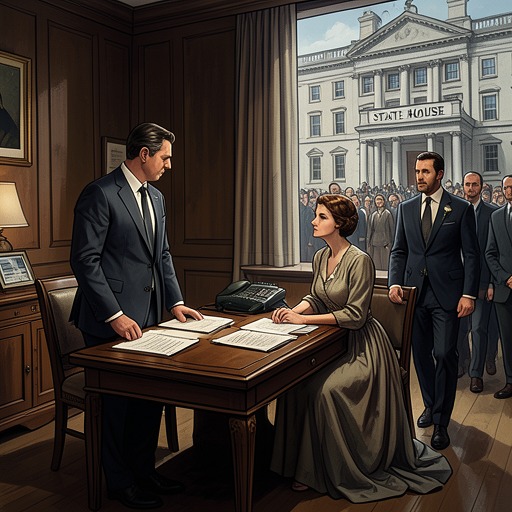
Chelsea
Robert B. Parker's WonderlandChelsea is where Spenser and Commander Healy examine the aftermath of the killing of two men from Las Vegas. The scene’s ordinary streets and worn residential surroundings contrast with the calculated violence of the deaths; the investigation identifies the victims but leaves open who sent them and why.
Setting and Urban Texture
The scene is viewed from Shawmut Street, where Spenser and Commander Healy sit in an unmarked police sedan and watch detectives and crime-scene technicians at work. The view is of sagging triple-deckers with peeling paint, overturned trash cans along the curbs, and chain-link fences enclosing small front yards. The unvarnished details make Chelsea more than a point on the investigation’s map: it is a lived-in neighborhood where a major criminal case unfolds amid the signs of everyday urban wear.
The Crime Scene
Two men had been found shot in a Dodge Charger parked in Chelsea. By the time Spenser arrives, the coroner has removed their bodies; yellow evidence markers indicate where investigators have found material at the scene. Commander Healy expects a .22-caliber bullet to be recovered, though no shell casings are present. The absence of casings and the close approach required to shoot the men point to a deliberate killing, not an exchange of gunfire at a distance.
Victims and Investigative Context
Commander Healy identifies the dead men as James Congiusti and Anton Nelson, known respectively as Jimmy Aspirins and the Angel of Mercy. Both are described as visitors from Las Vegas with extensive criminal records. Healy says they have no apparent ties to Massachusetts, then characterizes the killings as an encroachment. That assessment raises the possibility that someone resented their presence, but the scene does not establish who arranged the murders or what the men were doing in Chelsea.
Narrative Significance
Chelsea’s role is sharply focused: it is the place where an apparent boundary violation becomes visible through the discovery of the two bodies. The investigation supplies a tense contrast between the routine work of documenting evidence and the implication of a larger conflict. Healy’s suggestion of an encroachment gives the deaths a possible connection to territorial interests, but the evidence at the scene supports suspicion rather than a settled explanation.